

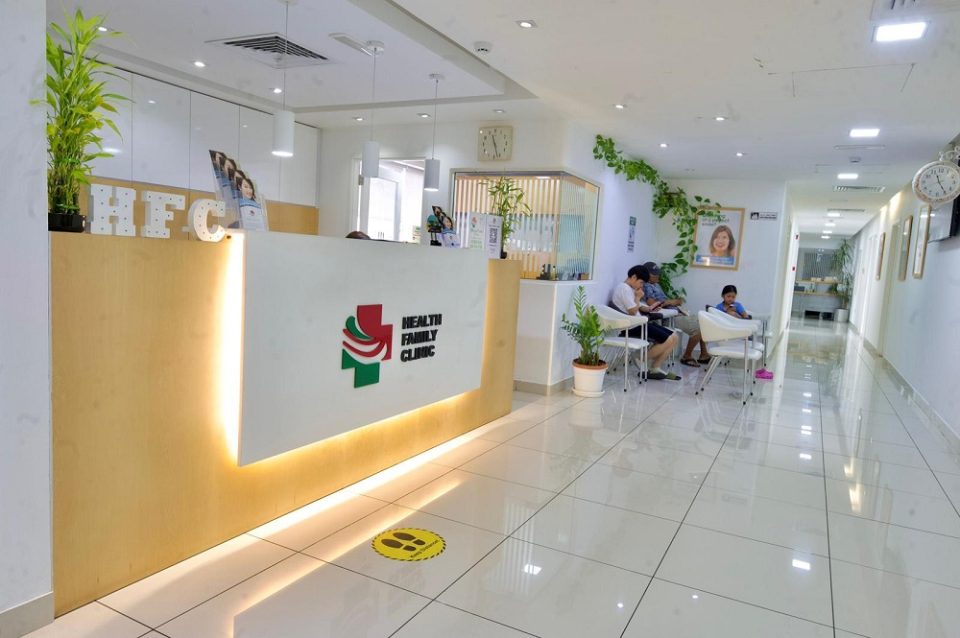
Healthcare preferences in the United States have changed dramatically over the past several years. More patients are now turning to clinics instead of traditional hospital systems for routine medical care, preventive services, and even urgent treatment. Clinics have evolved into highly efficient healthcare facilities that combine convenience, affordability, and quality care in one accessible location.
From primary care clinics and urgent care centers to specialty practices and community health facilities, clinics now serve millions of patients every year. Their growing popularity reflects a broader shift toward patient-centered healthcare that prioritizes accessibility, faster service, and preventive medicine.
Modern clinics are becoming the preferred choice for healthcare because they offer practical solutions to many of the challenges patients face in today’s healthcare system.
The Growing Demand for Convenient Healthcare
One of the main reasons clinics are becoming more popular is convenience. Patients today want healthcare services that fit into their busy schedules without requiring long waits or complicated appointment systems.
Traditional hospital visits can sometimes involve extended waiting periods, crowded environments, and higher treatment costs. Clinics offer a more streamlined experience that appeals to individuals and families looking for efficient medical care.
Many clinics now provide:
- Same-day appointments
- Extended evening hours
- Weekend availability
- Walk-in services
- Online scheduling
- Telehealth consultations
This level of accessibility makes it easier for patients to receive timely medical attention when they need it most.
Affordable Healthcare Solutions
Healthcare costs continue to rise across the United States, leading many individuals to seek more affordable alternatives for non-emergency medical care. Clinics often provide significantly lower costs compared to hospital emergency departments.
For common illnesses and minor injuries, clinics can deliver effective treatment without the financial burden associated with emergency room visits.
Patients commonly visit clinics for:
- Cold and flu symptoms
- Minor infections
- Allergies
- Sprains and strains
- Routine physical exams
- Vaccinations
- Health screenings
Because clinics focus on outpatient care, they can often operate more efficiently and pass those savings on to patients.
Lower healthcare costs encourage individuals to seek treatment earlier, which can help prevent more serious health complications later.
Faster Access to Medical Care
Long waiting times remain one of the biggest frustrations for healthcare patients. Clinics address this issue by offering quicker access to healthcare professionals and shorter appointment wait times.
Urgent care clinics, in particular, have become extremely popular because they provide immediate treatment for non-life-threatening conditions without requiring appointments.
Patients appreciate the ability to receive care quickly for issues such as:
- Fever
- Ear infections
- Minor cuts
- Mild asthma symptoms
- Skin rashes
- Sore throats
- Minor fractures
Faster service improves patient satisfaction while reducing unnecessary pressure on hospital emergency rooms.
The Rise of Preventive Healthcare
Preventive healthcare has become a major focus in modern medicine. Rather than waiting for illnesses to develop into serious conditions, healthcare providers now emphasize early detection and wellness management.
Clinics play an essential role in preventive care by offering routine screenings, wellness checkups, vaccinations, and health education.
Preventive services commonly available at clinics include:
- Blood pressure monitoring
- Diabetes screening
- Cholesterol testing
- Cancer screenings
- Immunizations
- Weight management counseling
- Nutritional guidance
Regular preventive care can reduce healthcare costs, improve long-term health outcomes, and lower the risk of chronic diseases.
Patients increasingly recognize the value of maintaining their health proactively instead of only seeking treatment when symptoms become severe.
Personalized Patient Care
Another reason clinics are gaining popularity is their focus on personalized patient care. Many clinics operate on a smaller scale than large hospitals, allowing healthcare providers to spend more time with individual patients.
Patients often value:
- Better communication
- Consistent follow-up care
- Personalized treatment plans
- Stronger provider relationships
- More attentive service
Primary care clinics, family practices, and specialty clinics frequently build long-term relationships with patients, creating greater trust and continuity of care.
Personalized healthcare experiences can improve patient compliance with treatment plans and encourage healthier lifestyle choices.
Technology Is Improving Clinic Services
Technology has transformed the healthcare industry, and clinics have quickly adapted to modern innovations that improve patient care and operational efficiency.
Electronic Health Records
Electronic health records allow clinics to securely store and access patient information. Providers can quickly review medical histories, medications, allergies, and test results.
Digital record systems help reduce medical errors while improving communication between healthcare professionals.
Telemedicine
Telemedicine services have become increasingly popular in clinics across the country. Virtual appointments allow patients to consult with healthcare providers remotely using smartphones or computers.
Telemedicine offers major advantages for:
- Rural patients
- Elderly individuals
- Busy professionals
- Patients with mobility limitations
- Follow-up appointments
Virtual healthcare services make medical consultations more accessible and convenient.
Online Patient Portals
Many clinics now offer online patient portals that allow individuals to:
- Schedule appointments
- Review lab results
- Request prescription refills
- Message healthcare providers
- Access medical records
These digital tools improve communication while giving patients greater control over their healthcare experience.
Clinics Help Reduce Emergency Room Overcrowding
Hospital emergency departments are designed to treat serious and life-threatening conditions. However, many emergency rooms become overcrowded because patients seek care for minor illnesses and injuries that could be treated elsewhere.
Clinics help solve this problem by providing alternative care options for non-emergency situations.
Urgent care clinics and walk-in facilities can effectively treat many common medical issues while allowing hospitals to focus resources on critical emergencies.
This division of care benefits both patients and healthcare systems by improving efficiency and reducing wait times.
Community Health Clinics Improve Healthcare Access
Community health clinics play a critical role in expanding healthcare access for underserved populations.
These clinics often provide affordable or low-cost medical services for individuals who may not have private health insurance or easy access to traditional healthcare systems.
Community clinics commonly offer:
- Preventive care
- Pediatric services
- Prenatal care
- Mental health counseling
- Dental services
- Chronic disease management
Many community health clinics also provide multilingual staff and culturally sensitive healthcare services that improve communication and patient trust.
Expanding access to healthcare strengthens public health and improves outcomes for entire communities.
Specialized Clinics Provide Focused Care
Specialty clinics have also become increasingly popular because they focus on specific medical fields and patient needs.
Examples of specialty clinics include:
- Cardiology clinics
- Orthopedic clinics
- Dermatology clinics
- Endocrinology clinics
- Physical therapy clinics
- Women’s health clinics
These facilities provide highly focused treatment plans and advanced expertise for patients with specialized medical conditions.
Patients often prefer specialty clinics because they offer targeted care with healthcare professionals who have deep experience in particular medical areas.
Clinics Support Chronic Disease Management
Chronic diseases continue to affect millions of Americans each year. Conditions such as diabetes, hypertension, asthma, and heart disease require ongoing medical monitoring and long-term management.
Clinics provide valuable support for patients managing chronic illnesses through:
- Routine checkups
- Medication management
- Lifestyle counseling
- Health monitoring
- Patient education
Regular clinic visits help patients stay on track with treatment plans and reduce the likelihood of serious complications.
Consistent medical oversight can improve quality of life while lowering hospitalization rates.
The Importance of Mental Health Services in Clinics
Mental health awareness has increased significantly in recent years, leading more clinics to integrate behavioral health services into their healthcare models.
Many clinics now provide:
- Anxiety treatment
- Depression counseling
- Stress management support
- Substance abuse counseling
- Therapy referrals
Integrating mental health care into clinics improves accessibility while reducing stigma surrounding behavioral healthcare.
Patients benefit from having both physical and mental health services available in one location.
Clinics Offer Greater Flexibility for Patients
Modern patients value flexibility when managing healthcare appointments and treatment schedules.
Clinics often accommodate patient needs by offering:
- Flexible scheduling
- Virtual consultations
- Shorter appointment wait times
- Multiple service options
- Convenient locations
This flexibility helps individuals balance healthcare responsibilities with work, family, and personal commitments.
As consumer expectations continue evolving, clinics are adapting to provide more patient-friendly healthcare experiences.
The Future of Clinics in Healthcare
The role of clinics will likely continue expanding in the coming years. Healthcare systems increasingly recognize the importance of outpatient care, preventive medicine, and community-based treatment models.
Several trends are shaping the future of clinics:
- Expanded telehealth services
- Artificial intelligence in diagnostics
- Personalized medicine
- Remote patient monitoring
- Digital healthcare platforms
- Increased preventive care programs
- Integrated mental health services
Clinics are expected to remain central to healthcare delivery because they offer efficient, accessible, and patient-focused medical care.
As healthcare technology advances, clinics will continue improving patient experiences while supporting better long-term health outcomes.
Conclusion
Clinics are becoming the preferred choice for healthcare because they provide accessible, affordable, and efficient medical services that align with the needs of modern patients. Their focus on convenience, preventive care, personalized treatment, and faster service makes them an attractive alternative to traditional hospital-based care for many healthcare needs.
From urgent care facilities and primary care centers to community clinics and specialty practices, clinics continue expanding their role within the healthcare system. Technological advancements, telemedicine services, and patient-centered care models are further strengthening their value in modern medicine.
As healthcare continues evolving, clinics will remain essential in delivering high-quality medical care while improving accessibility and patient satisfaction across communities throughout the United States.
Frequently Asked Questions
1. Why are clinics becoming more popular than hospitals for routine care?
Clinics often provide faster service, lower treatment costs, shorter wait times, and greater convenience for non-emergency medical needs.
2. Are clinics equipped to handle diagnostic testing?
Many modern clinics offer diagnostic services such as blood tests, digital X-rays, ultrasound imaging, and infection screenings.
3. What is the difference between urgent care clinics and emergency rooms?
Urgent care clinics treat non-life-threatening conditions, while emergency rooms handle severe injuries, major trauma, and critical medical emergencies.
4. Can clinics provide long-term healthcare management?
Yes, many clinics specialize in long-term healthcare management for chronic conditions such as diabetes, asthma, and high blood pressure.
5. Are telemedicine services available at most clinics?
Many clinics now offer telemedicine appointments for consultations, follow-ups, prescription management, and mental health services.
6. Do clinics provide healthcare services for children and families?
Family clinics commonly offer pediatric care, vaccinations, wellness exams, and preventive healthcare services for patients of all ages.
7. How do community health clinics help underserved populations?
Community health clinics provide affordable healthcare services, preventive care, and medical support for individuals who may have limited access to traditional healthcare systems.
